
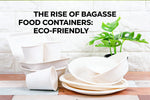
Why Bagasse Food Containers Are Replacing Plastic
, by SSDAZayom, 3 min reading time
, by SSDAZayom, 3 min reading time
As sustainability moves from trend to requirement, food businesses are rethinking packaging choices. Governments are tightening restrictions on single-use plastics, while consumers are actively seeking eco-friendly alternatives. Among the emerging solutions, bagasse food containers have gained strong traction across takeaways, catering, and food delivery operations.
But beyond marketing claims, a key question remains: Do bagasse containers actually perform better in real-world food service conditions?
Bagasse is a byproduct of sugarcane processing. After extracting juice, the remaining fibrous material is repurposed into molded food containers. According to EPA sustainability guidelines, using agricultural waste like bagasse aligns with waste reduction and circular economy principles.
These containers are:
Regions across the EU, UK, and parts of the US are restricting single-use plastics. Organizations like UN Environment Programme highlight plastic pollution as a critical global issue, pushing businesses toward alternatives like fiber-based packaging.
Recent discussions across platforms like Reddit (e.g., r/restaurantowners, r/smallbusiness) show a clear shift:
“Customers actually notice when we switched to compostable containers. It became part of our brand.”
“Bagasse holds up better than expected for hot food compared to cheap plastic clamshells.”
These insights reflect a broader trend—packaging is no longer invisible; it influences perception and repeat purchases.
Bagasse containers can typically handle temperatures up to 200°F (93°C), making them suitable for hot meals, while also performing well in refrigerated conditions.
Natural fiber structure provides resistance to oil and moisture, reducing leakage risks—especially important for delivery operations.
Unlike foam or low-grade plastic, bagasse containers maintain structure under weight, making them reliable for stacked deliveries and transport.
| Feature | Bagasse | Plastic | Foam (Styrofoam) |
|---|---|---|---|
| Material Source | Sugarcane waste | Petroleum-based | Petroleum-based |
| Environmental Impact | Compostable, renewable | Non-biodegradable | Highly polluting |
| Heat Resistance | High | Medium | Low (can warp) |
| Grease Resistance | High | Medium | Low |
| Food Safety | Chemical-free | May leach under heat | Potential chemical concerns |
| Brand Perception | Premium, eco-friendly | Neutral | Negative |
Historically, yes. But as adoption scales, pricing has become more competitive. Many businesses offset costs through improved brand perception and customer retention.
Yes. According to WRAP UK, limited industrial composting access remains a challenge. However, even without perfect disposal systems, bagasse still reduces long-term plastic accumulation.
No. Bagasse is non-reactive and does not alter taste or odor, making it suitable for a wide range of cuisines.
Bagasse food containers are not just an eco-friendly alternative—they are a practical solution aligned with current regulations, consumer expectations, and operational needs. While challenges like composting infrastructure remain, their performance, sustainability, and branding advantages make them a strong replacement for plastic and foam packaging.
For food businesses, the decision is no longer just about cost—it is about long-term positioning in a market that increasingly values sustainability.


